
 By
By Abstract
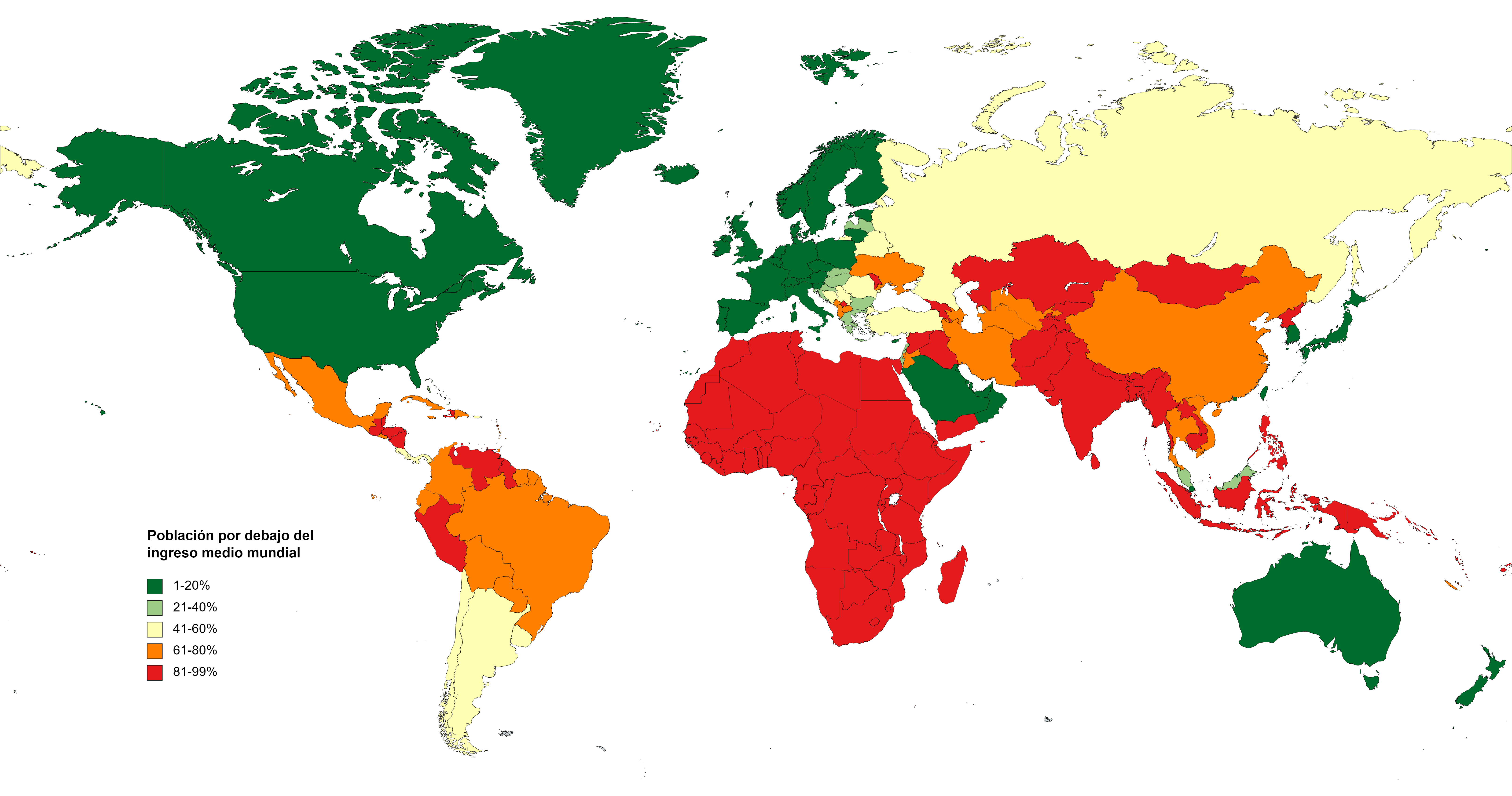
Unequal exchange is a foundational concept in Marxist political economy, highlighting how the enduring imbalance between core and peripheral regions stems from the core’s appropriation of a disproportionate share of the value produced in the periphery. This occurs by establishing average global profit rates and international market prices across the global market despite stark wage disparities. Today, global trade inequality and value transfers largely stem from multinational corporations relocating production to periphery countries, where similar productivity levels are achieved, but wage disparities only grow. These terms of trade underscore the supremacy of the law of capitalist accumulation over a monopoly driven global economic order. Mexico’s export manufacturing sector illustrates this pattern, with productivity levels comparable to those in the United States yet a widening wage gap. This study highlights that wage disparities are crucial for monopoly capital accumulation, resulting in diminished wages and precarious social conditions in Mexico.
Unfortunately, due to copyright, we are not able to reproduce the full article. However, it is free access and you can access it here at Journal of Labor and Society page following this link: https://brill.com/view/journals/jlso/28/2/article-p157_001.xml